Types of Eco Insulation Materials
Explore natural insulation options that combine excellent thermal performance with environmental responsibility. Compare materials to find your perfect match.
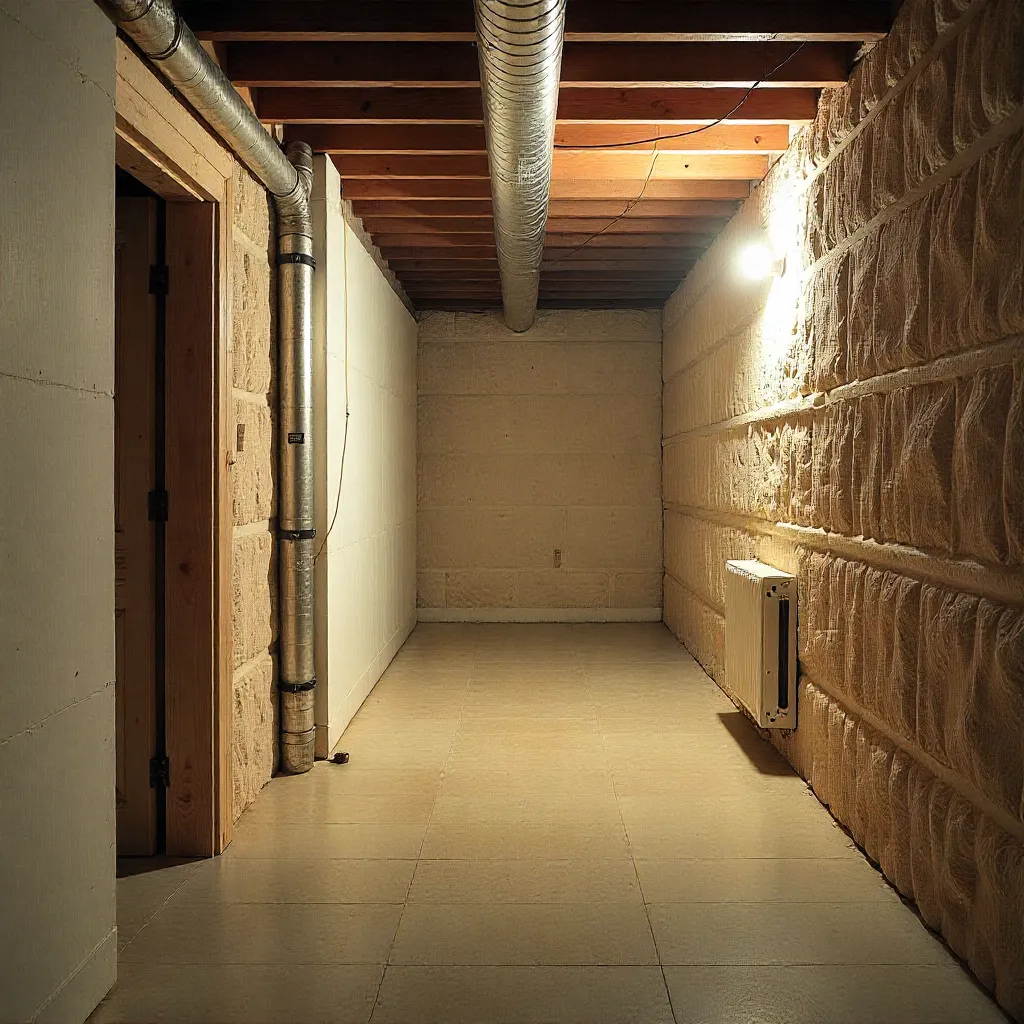
Natural Insulation Materials
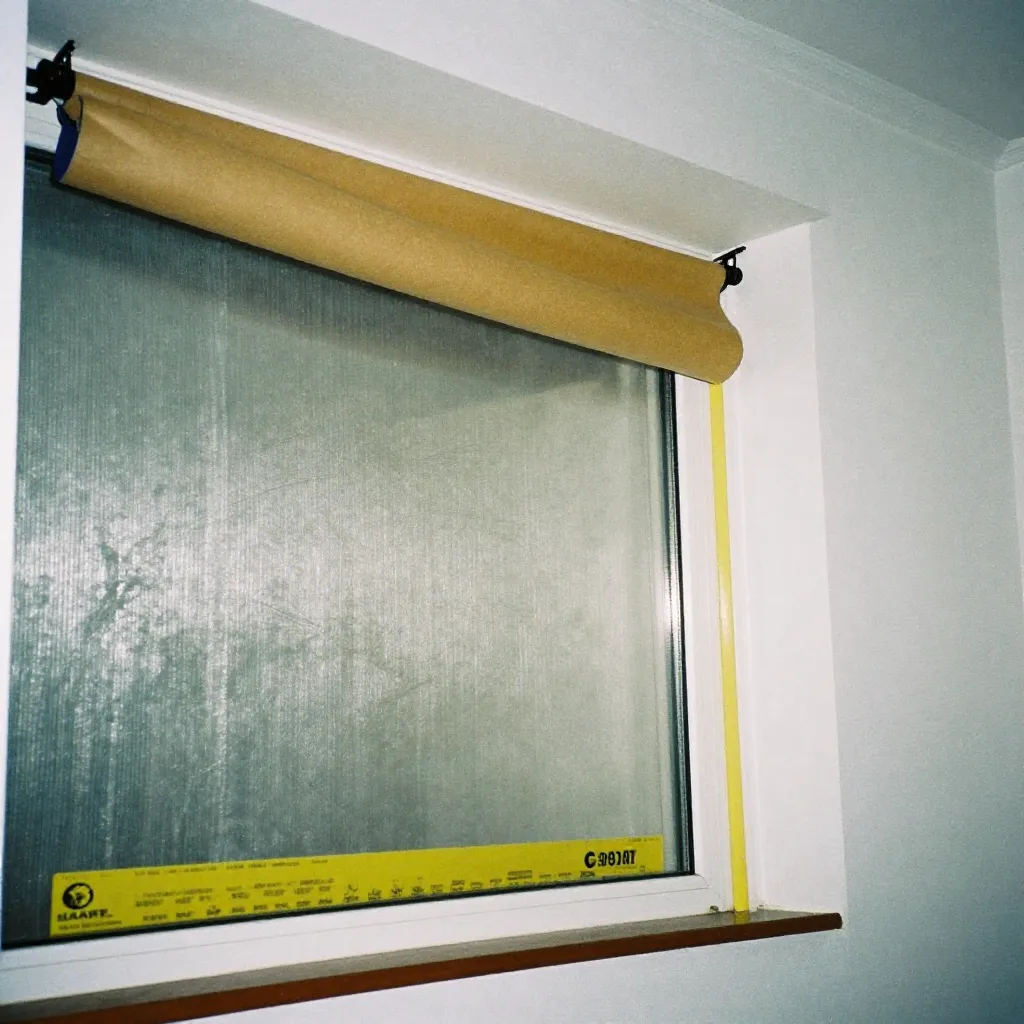
Wood Fiber Boards
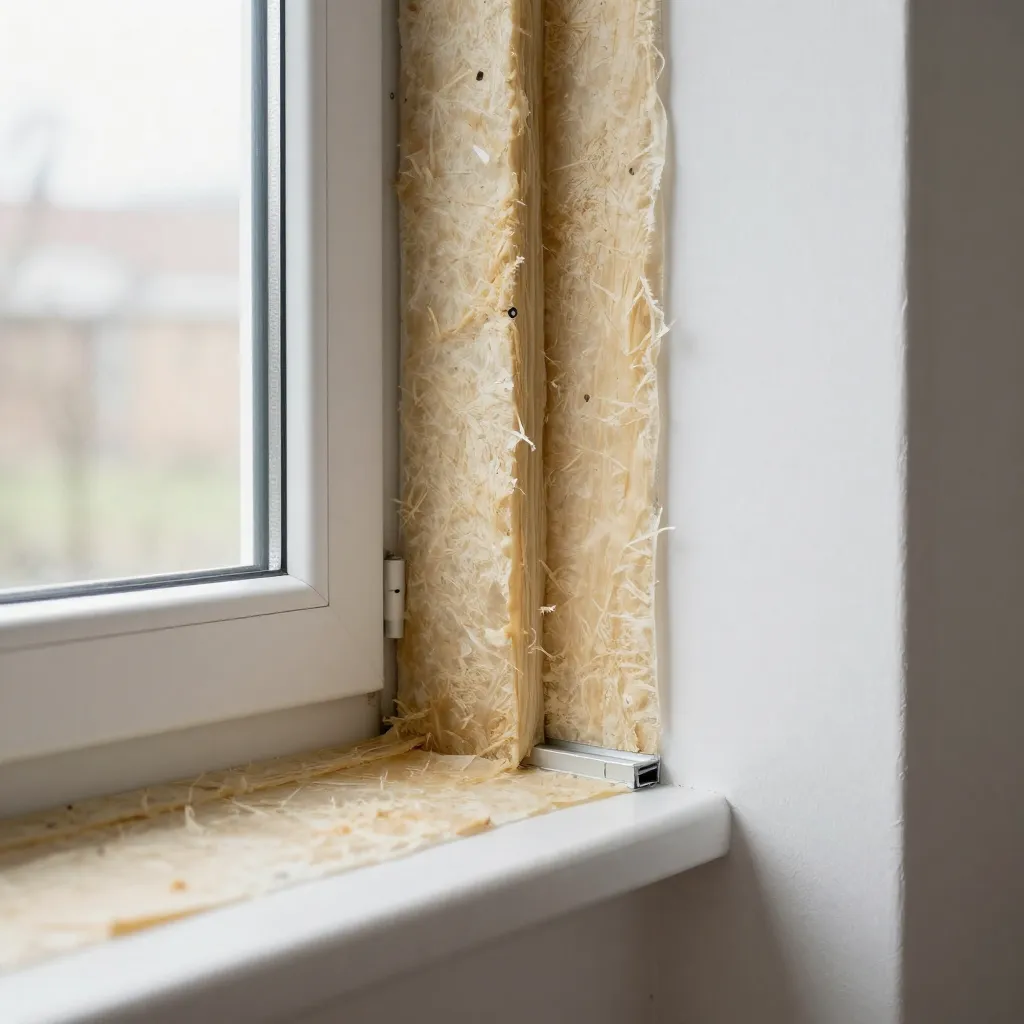
Wood fiber insulation boards are made from compressed wood fibers, often from sawmill waste. They provide excellent thermal insulation and sound absorption. These boards are breathable, allowing moisture to escape while maintaining their insulating properties. Ideal for walls, roofs, and floors, wood fiber boards have a natural R-value of approximately 3.7 per inch and are fully recyclable at the end of their life cycle.
Best for: Exterior wall insulation, roof insulation, new construction projects.
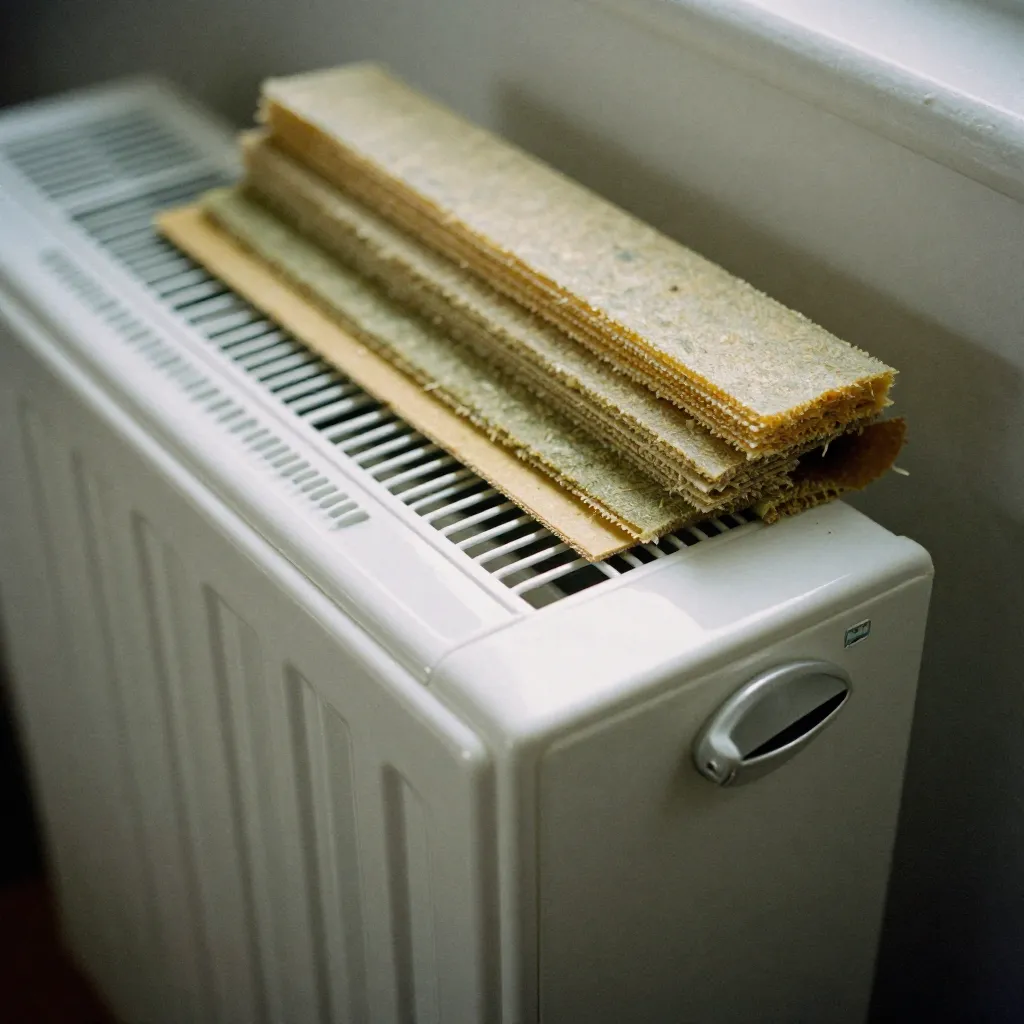
Hemp Insulation Mats
Hemp insulation is produced from the fast-growing hemp plant, making it one of the most sustainable insulation options available. These mats are flexible, easy to install, and provide natural resistance to pests and mold. Hemp insulation has an R-value of around 3.5 per inch and offers excellent moisture regulation. The material is naturally fire-resistant and doesn't require chemical treatments.
Best for: Wall cavities, attics, between studs, retrofit projects.
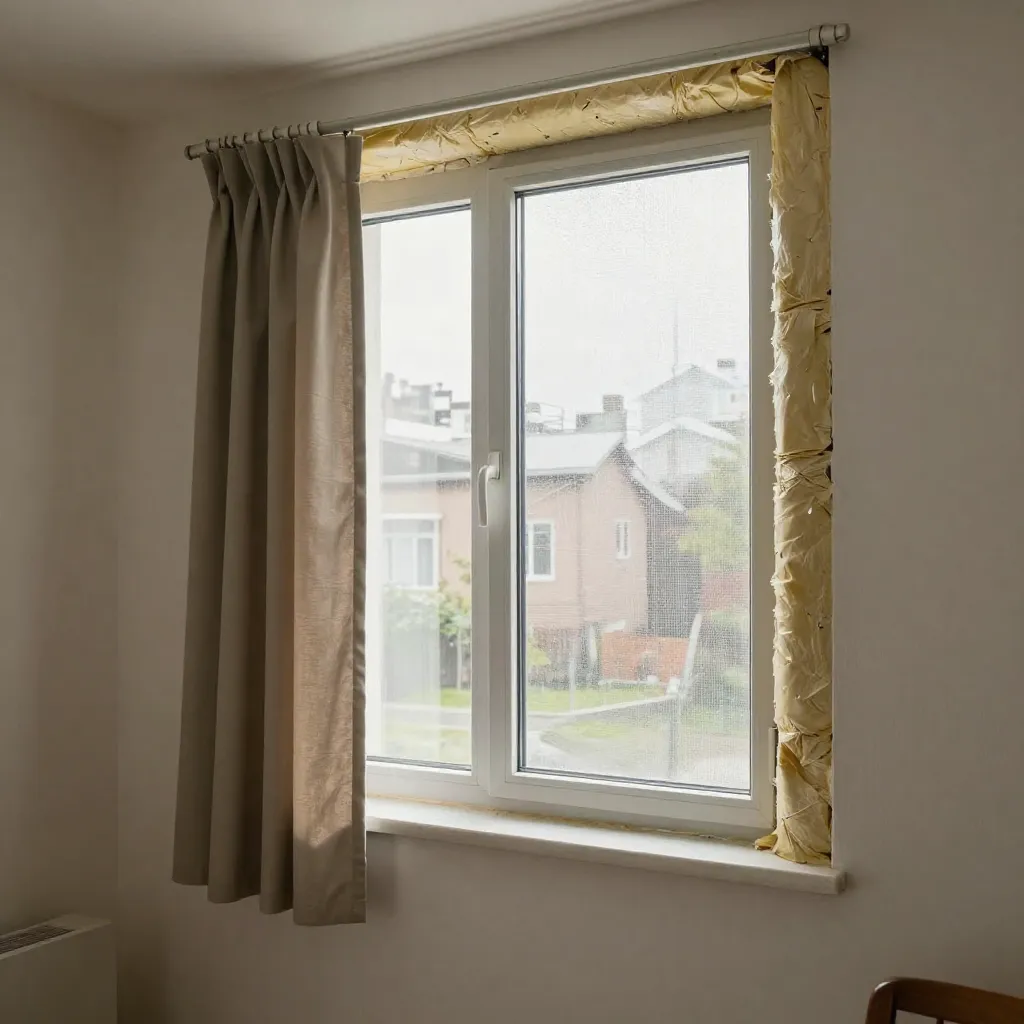
Sheep Wool Insulation
Sheep wool insulation is a natural, renewable material that provides exceptional thermal performance. With an R-value of approximately 3.5-4.0 per inch, wool naturally regulates humidity by absorbing and releasing moisture. It's naturally fire-resistant and has excellent sound-dampening properties. Wool insulation is easy to handle and install, making it perfect for DIY projects.
Best for: Attics, wall cavities, soundproofing, areas with high humidity.
Cork Panels
Cork insulation is made from the bark of cork oak trees, which regenerates naturally without harming the tree. Cork panels offer excellent thermal and acoustic insulation with an R-value of about 3.6 per inch. The material is naturally resistant to moisture, fire, and pests. Cork is lightweight, easy to cut, and can be used in various applications from floors to walls.
Best for: Floor insulation, wall panels, soundproofing, moisture-prone areas.
Recycled Cellulose (Paper-Based Insulation)
Recycled cellulose insulation is made from recycled newspaper and cardboard, treated with natural fire retardants like borate. This material is blown into wall cavities and attics, providing excellent coverage and an R-value of approximately 3.2-3.8 per inch. Cellulose is cost-effective, has a very low environmental impact, and helps reduce waste. It's particularly effective in existing homes where it can be installed without major renovations.
Best for: Attic insulation, wall cavities in existing homes, retrofit projects, hard-to-reach areas.
Note: Professional installation recommended. Proper ventilation and protective equipment required during installation.
Natural Clay & Lime Plasters
Natural clay and lime plasters serve dual purposes as both finishing materials and insulation enhancers. These breathable plasters help regulate indoor humidity and improve the thermal performance of walls. While they don't provide the same R-value as dedicated insulation materials, they work excellently in combination with other natural insulations. Clay and lime plasters are non-toxic, mold-resistant, and contribute to healthy indoor air quality.
Best for: Interior wall finishes, complementing other insulation, historic buildings, moisture regulation.
Material Comparison Chart
| Material | R-Value (per inch) | Cost (per sq ft) | Durability | Eco Impact |
|---|---|---|---|---|
| Wood Fiber Boards | 3.7 | $2.50 - $4.00 | 50+ years | Excellent |
| Hemp Insulation | 3.5 | $2.00 - $3.50 | 50+ years | Excellent |
| Sheep Wool | 3.5 - 4.0 | $2.50 - $4.50 | 50+ years | Very Good |
| Cork Panels | 3.6 | $3.00 - $5.00 | 50+ years | Excellent |
| Recycled Cellulose | 3.2 - 3.8 | $1.50 - $2.50 | 30+ years | Excellent |
| Clay & Lime Plaster | 0.2 - 0.4 | $3.00 - $6.00 | 100+ years | Excellent |
Note: R-values and costs are approximate and may vary by region and supplier. Durability assumes proper installation and maintenance.
Choosing the Right Material
Each natural insulation material has unique properties that make it suitable for different applications. Consider your climate, budget, installation method, and environmental priorities when making your selection.