Installation Guides & Home Zones
Learn how to properly install natural insulation in different areas of your home. Follow our step-by-step guides with difficulty indicators and safety notes.
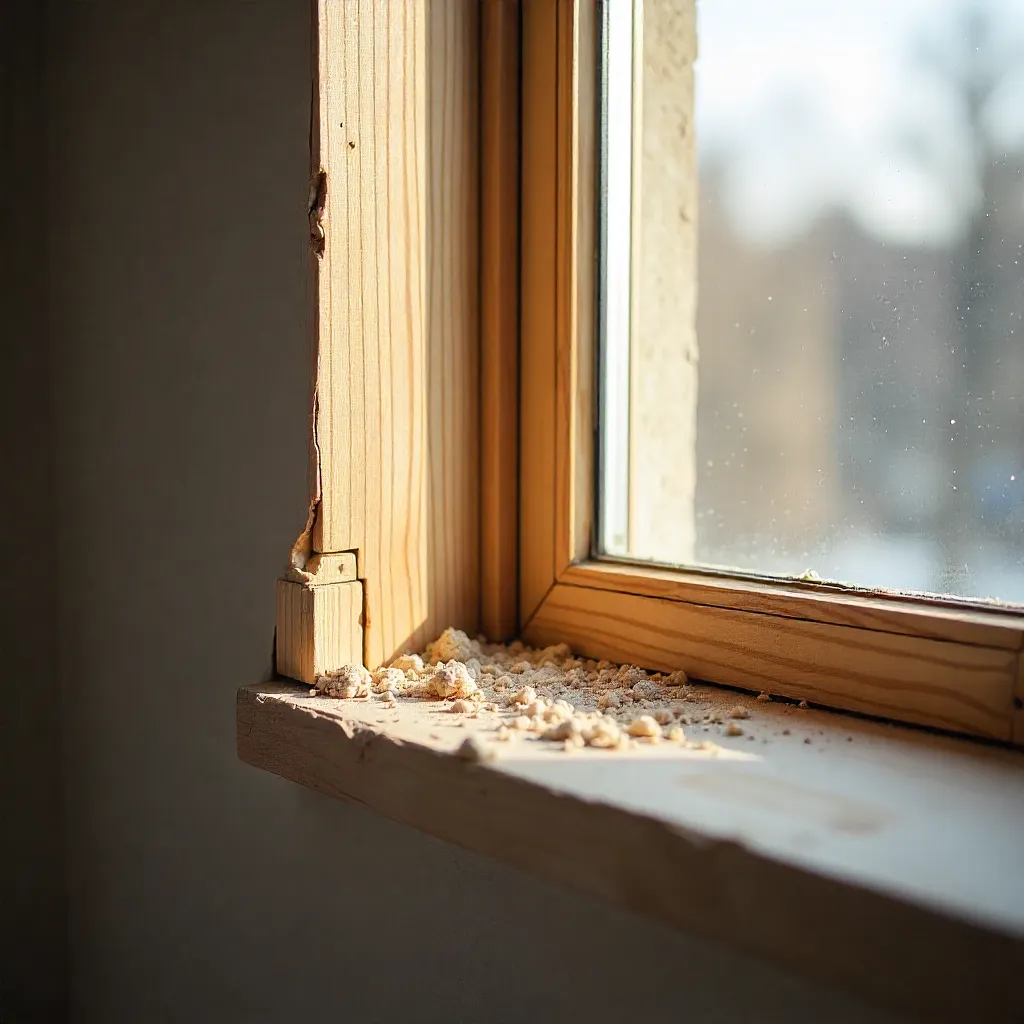
Walls: Natural Fiber Boards & Cavity Insulation
Preparation
Measure the wall area and calculate the amount of insulation needed. Remove any existing damaged insulation. Ensure the wall cavity is clean, dry, and free of obstructions. Check for any electrical wiring or plumbing that may need to be worked around.
Material Selection
Choose between wood fiber boards for exterior applications or flexible mats (hemp, wool) for cavity insulation. For exterior walls, wood fiber boards provide excellent protection. For interior cavities, flexible materials are easier to install.
Installation
For boards: Cut to size using a sharp knife, leaving a small gap for expansion. Secure with appropriate fasteners. For cavity insulation: Cut mats slightly larger than the cavity width to ensure a snug fit. Press firmly into place without compressing the material.
Sealing & Finishing
Seal all gaps and joints with natural sealing tape or breathable membrane. Ensure proper vapor barrier placement if required by your climate zone. Install finishing materials according to manufacturer specifications.
Safety Notes: Wear protective gloves and a dust mask when cutting materials. Ensure adequate ventilation during installation. Check local building codes for fire safety requirements.
Floors: Cork Layers, Wool Rolls & Underlay Options
Subfloor Preparation
Inspect the subfloor for damage, moisture, or unevenness. Repair any issues before installation. Ensure the subfloor is clean, dry, and level. For ground-level floors, consider a moisture barrier if needed.
Material Layout
For cork panels: Lay panels in a staggered pattern, similar to brickwork, to avoid continuous joints. For wool rolls: Unroll perpendicular to floor joists, ensuring complete coverage. Overlap edges slightly to prevent gaps.
Installation
Cork: Use appropriate adhesive or lay loose if floating installation. Ensure tight joints. Wool: Secure with staples or wire mesh between joists. Maintain consistent thickness throughout. For underlay, roll out smoothly without wrinkles.
Finishing Layer
Install the final floor covering according to manufacturer instructions. Ensure proper expansion gaps around edges. Cork can serve as both insulation and finished floor in some applications.
Safety Notes: Work in a well-ventilated area. Use knee pads for comfort during installation. Ensure proper support for floor joists before adding weight.
Attics: Cellulose Blowing & Wood Fiber Rolls
Safety Preparation
Ensure adequate lighting and ventilation in the attic. Install temporary walk boards if needed to distribute weight. Check for electrical hazards and mark their locations. Wear proper protective equipment: respirator mask, goggles, gloves, and long sleeves.
Ventilation Check
Verify that attic ventilation is adequate. Insulation should not block soffit vents or ridge vents. Install baffles if necessary to maintain airflow. Proper ventilation prevents moisture buildup and extends insulation life.
Cellulose Installation
For blown cellulose: Use a professional blower machine or rent one. Start from the farthest point and work toward the access. Maintain consistent depth (typically 12-16 inches). Use a depth gauge to ensure uniform coverage. Avoid covering recessed lights or blocking ventilation.
Wood Fiber Roll Installation
For rolls: Measure and cut to fit between joists. Place rolls perpendicular to joists, ensuring snug fit without compression. Stagger joints between layers if installing multiple layers. Maintain consistent R-value across the entire attic.
Safety Notes: CRITICAL: Always wear a proper respirator mask (N95 or better) when working with cellulose. The fine particles can cause respiratory issues. Ensure adequate ventilation - consider using fans. Work in short sessions to avoid overheating. Never block attic ventilation openings. Be aware of electrical wiring and junction boxes.
Windows & Doors: Natural Sealing Strips & Eco Caulking
Inspection & Cleaning
Inspect all windows and doors for gaps, cracks, and worn seals. Clean the surfaces thoroughly, removing old caulk, paint, and debris. Ensure surfaces are completely dry before applying new materials.
Gap Measurement
Measure gaps around windows and doors to determine the appropriate sealing material. Small gaps (less than 1/4 inch) can use caulking. Larger gaps may require backer rod before caulking or weatherstripping.
Natural Sealing Strips
Install natural fiber or wool-based weatherstripping around movable parts (sashes, door edges). Cut to length, ensuring proper compression when closed. For static gaps, use natural backer rod before applying caulk.
Eco Caulking Application
Use natural, breathable caulking made from linseed oil or acrylic. Apply in a continuous bead, smoothing with a wet finger or tool. Ensure complete coverage without gaps. Allow proper curing time before painting if needed.
Safety Notes: Work in well-ventilated areas when using caulking. Some natural caulks have strong odors during application. Read manufacturer instructions for proper application temperature and conditions.
General Installation Tips
Measure Twice, Cut Once
Accurate measurements prevent waste and ensure proper fit. Always account for expansion and compression when cutting natural insulation materials.
Maintain Airflow
Never block ventilation openings. Proper airflow prevents moisture buildup and maintains insulation effectiveness. Use baffles and maintain clearances as needed.
Protect from Moisture
While natural materials handle moisture well, avoid direct water contact during installation. Store materials in dry conditions and install when weather is favorable.