Energy Savings & Cost Calculator
Discover how natural insulation can reduce your heating costs. Calculate potential savings and understand the real impact on your energy bills.
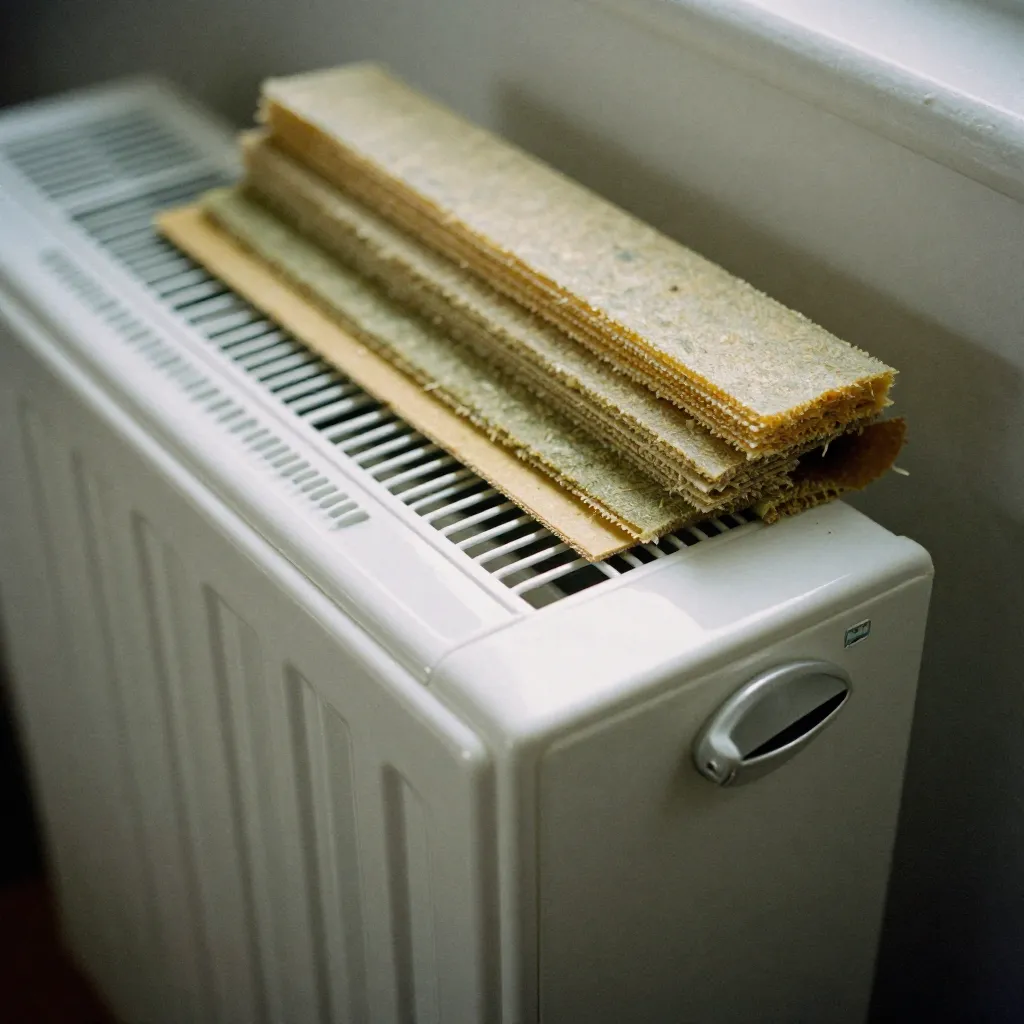
Expected Savings for Cold Climate Conditions
Natural insulation materials provide excellent thermal performance, especially important in cold climates where heating costs can be significant. Proper insulation reduces heat loss through walls, floors, roofs, and windows, resulting in lower energy consumption and reduced heating bills.
How Insulation Reduces Heat Loss in Winter
During winter, heat naturally flows from warm indoor spaces to cold outdoor environments. Insulation acts as a barrier, slowing this heat transfer. Natural insulation materials work by trapping air in small pockets, creating resistance to heat flow. The R-value measures this resistance - higher R-values mean better insulation performance.
In cold climates, a well-insulated home can reduce heat loss by 30-50% compared to an uninsulated or poorly insulated structure. This translates directly to lower heating requirements and reduced energy costs.
Insulation Improvement → Heating Bill Reduction
Note: Savings percentages are estimates based on typical home conditions in cold climates. Actual savings may vary based on home size, age, existing insulation, heating system efficiency, and local climate conditions.
Seasonal Heating Comparison
Before Insulation
A typical 2,000 sq ft home in a cold climate may spend $300-500 per month on heating during winter months. Heat loss occurs through multiple pathways: walls (35%), roof (25%), windows (15%), floors (10%), and air leaks (15%).
After Natural Insulation
With proper natural insulation, the same home could reduce heating costs to $180-300 per month. Natural materials provide excellent thermal performance while maintaining breathability and indoor air quality.
Annual Savings
Over a full year, including shoulder seasons, a well-insulated home can save $1,200-2,400 annually on heating costs. The investment in natural insulation typically pays for itself within 5-10 years, depending on material choice and installation method.
Realistic Cost-to-Saving Analysis
| Insulation Project | Typical Cost | Annual Savings | Payback Period |
|---|---|---|---|
| Attic Insulation (Cellulose) | $1,500 - $3,000 | $400 - $600 | 3-5 years |
| Wall Insulation (Hemp/Wool) | $3,000 - $6,000 | $500 - $800 | 4-8 years |
| Floor Insulation (Cork) | $2,000 - $4,000 | $300 - $500 | 4-8 years |
| Window Sealing | $500 - $1,500 | $150 - $300 | 2-5 years |
| Complete Home Upgrade | $8,000 - $15,000 | $1,500 - $2,400 | 5-10 years |
Costs and savings are estimates for a typical 2,000 sq ft home. Actual values depend on local material costs, labor rates, home condition, and energy prices. Natural insulation materials may have slightly higher upfront costs but offer long-term environmental and health benefits.
Additional Benefits Beyond Cost Savings
Improved Comfort
Better insulation means more consistent indoor temperatures, eliminating cold spots and drafts. Your home feels warmer and more comfortable throughout winter.
Reduced Environmental Impact
Lower energy consumption means reduced carbon footprint. Natural insulation materials are sustainable and have minimal environmental impact throughout their lifecycle.
Increased Home Value
Well-insulated homes are more attractive to buyers and may command higher prices. Energy efficiency is increasingly important in real estate markets.